
Dry cutting engineered stone is now recognised as one of the highest-risk activities for exposure to harmful crystalline silica dust in the workplace. Recent Health and Safety Executive (HSE) guidance has reinforced that dry cutting engineered stone is unacceptable because it can generate respirable crystalline silica exposure levels five to ten times higher than equivalent wet cutting methods. Engineered stone often contains between 80% and 95% crystalline silica, meaning workers can be exposed to extremely dangerous concentrations of dust if suitable controls are not in place. Breathing in this dust can lead to serious and irreversible conditions including silicosis, chronic obstructive pulmonary disease (COPD) and lung cancer.
Understanding the risks associated with dry cutting engineered stone is essential for protecting workers' health and identifying when unsafe working practices may give rise to a compensation claim.
Dry cutting engineered stone is commonly carried out in industries such as kitchen and bathroom worktop fabrication, construction, stonemasonry and installation services. Workers may be exposed while cutting, grinding, shaping, drilling, polishing or finishing engineered stone products, particularly where dry cutting methods are used instead of safer alternatives. This guide explains the dangers of dry cutting engineered stone, the health risks associated with silica dust exposure and the steps that can be taken if an employer has failed to provide a safe working environment.
At Thompsons Solicitors, we have extensive experience supporting workers who have developed respiratory illnesses as a result of silica dust exposure and unsafe working practices. Our specialist industrial disease solicitors understand the physical, emotional and financial impact these conditions can have and are committed to providing expert legal advice, compassionate support and practical guidance throughout the claims process. Our aim is to help you secure compensation that reflects the full impact of your illness and supports your future care and financial security.
Thompsons Solicitors is one of the UK's most experienced firms in industrial disease claims, trusted by thousands of clients across England and Wales. We provide support that goes beyond securing compensation, including access to rehabilitation, benefits advice, care coordination and assistance for families where appropriate.
Our national specialist teams represent clients throughout England and Wales, combining the strength of a nationwide practice with accessible local support through our network of regional offices.
Recognised as a leading firm for industrial disease claims, Thompsons Solicitors is regularly featured in national and regional media and has secured substantial compensation for workers affected by occupational illnesses. We are known for our specialist expertise in silicosis, successful outcomes and landmark cases that have helped strengthen the rights of injured workers. We act for both private clients and trade union members, providing clear advice on funding options, including no win, no fee arrangements, from the outset.

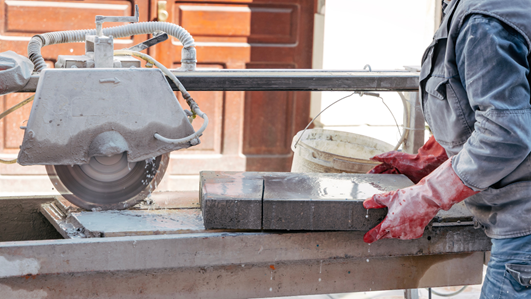
What Dry Cutting Engineered Stone Means
Dry cutting engineered stone refers to cutting or shaping engineered stone products without using water suppression or other effective dust control measures. Because engineered stone typically contains between 80% and 95% crystalline silica, dry cutting can produce extremely high concentrations of respirable silica dust.
These microscopic particles can travel deep into the lungs when inhaled, where they may cause inflammation, scarring and permanent damage to lung tissue. Even relatively short periods of exposure to high levels of silica dust can significantly increase the risk of developing serious respiratory diseases.
Current health and safety guidance makes clear that engineered stone should not be dry cut where safer control measures are available. Wet cutting methods, local exhaust ventilation, suitable respiratory protective equipment and proper workplace monitoring are all essential to reduce exposure.
Employers have a legal duty to assess the risks associated with silica dust, implement appropriate control measures, provide suitable protective equipment and ensure workers receive adequate training and health surveillance where required.
Recent HSE Guidance on Dry Cutting Engineered Stone
The Health and Safety Executive (HSE) has strengthened its guidance on working with engineered stone through the publication of COSHH Essentials Sheet ST3A. The guidance follows increasing evidence linking engineered stone fabrication with accelerated cases of silicosis, including fatalities among relatively young workers.
HSE's research found that dry cutting engineered stone can produce respirable crystalline silica exposure levels between five and ten times higher than comparable wet cutting methods. As a result, HSE now makes clear that dry cutting engineered stone is unacceptable where safer control measures are available.
The guidance also reinforces the importance of:
HSE has also announced a nationwide inspection programme focusing on businesses working with engineered stone. Employers who fail to implement suitable control measures may face enforcement action, as well as potential civil compensation claims where workers have developed silica-related illnesses.
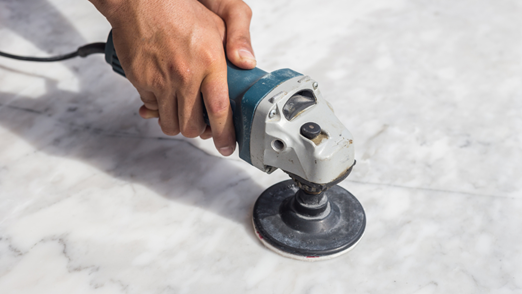
Health Risks of Silica Dust Exposure
Exposure to silica dust generated during dry cutting engineered stone can have serious and long-lasting consequences for a person's health.
Conditions linked to silica dust exposure include:
Early symptoms may include:
Many silica-related diseases develop gradually and may not become apparent until years after exposure. However, where exposure levels are particularly high, serious illness can develop much more quickly.
Once significant lung damage has occurred, it is often permanent, making prevention and early diagnosis especially important.
Employer Responsibilities
Employers have long had legal duties under the Control of Substances Hazardous to Health (COSHH) Regulations to protect workers from respirable crystalline silica. The latest HSE guidance reinforces what is expected of employers working with engineered stone and provides greater clarity about the control measures that should be in place.
This includes:
Failure to implement appropriate control measures may place workers at unnecessary risk of developing serious occupational illnesses and could amount to a breach of health and safety law.
Claiming Compensation
If you have developed silicosis, COPD, lung cancer or another respiratory illness after being exposed to silica dust while cutting engineered stone, particularly where water suppression, suitable respiratory protection or other control measures were not provided, you may be entitled to claim compensation.
A successful claim can help recover compensation for pain and suffering, loss of earnings, medical treatment, rehabilitation and future care needs.
At Thompsons Solicitors, we have decades of experience representing workers affected by occupational diseases. Our specialist solicitors work alongside leading respiratory physicians and medical experts to build strong, evidence-based claims that fully reflect the impact your condition has had on your life.
We are committed to holding employers accountable where they have failed to protect workers from preventable silica dust exposure and to helping clients secure the compensation and support they deserve.
If you believe you have been exposed to unsafe levels of silica dust while dry cutting engineered stone, or you have been diagnosed with a related respiratory condition, our specialist solicitors are here to help you understand your legal options.
To speak to a solicitor about making a claim, contact our team today.