Even after the flames were extinguished, firefighters were sent back to sift through debris for days or weeks, unknowingly increasing their exposure to deadly asbestos dust.
The firefighter has now settled a legal claim against his former employer after it admitted that he had been repeatedly exposed to asbestos throughout his career—a risk he could not have reasonably avoided. The case was brought by Thompsons Solicitors, which specialises in representing workers affected by occupational diseases.
His former employer acknowledged that it knew, or ought to have known, of the dangers posed by asbestos but failed to take adequate measures to protect him. It further admitted that he was not adequately warned or trained about the risks and was not provided with sufficient protective equipment to reduce his exposure.
Despite receiving compensation that reflects the severity of his condition and the impact on his life — including funding vital, non-NHS medical treatment — he remains deeply concerned that firefighters today are still being sent into hazardous situations without the right protection or awareness of the risks.
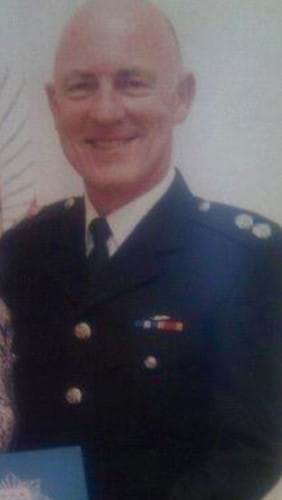
Mike Harding
“I gave my life to this job, but I was never warned about the dangers I was facing every single day. Even when asbestos was well known to be deadly, we were still exposed—whether it was fighting fires, clearing up after them, or even during training exercises where we handled asbestos-laden gear,” he said.
“What worries me is that firefighters are still damping down fires and clearing debris without using respirators. I recently saw a senior officer from Essex fire service being interviewed on TV, and in the background were two firefighters damping down the remnants of a blaze.
“Neither was wearing even a mask. I see it all the time. It’s still happening almost 20 years after I retired.”
He recalled that while breathing apparatus was available, a “macho culture” discouraged its use unless ordered by a commanding officer. It was often not worn during clean-up operations, and firefighters were never fully informed of the life-threatening dangers of asbestos exposure.
Throughout his career, he was exposed to asbestos during fire safety inspections, training drills, and fire safety demonstrations, including handling asbestos fire blankets in schools and walking through poorly maintained hospital boiler rooms with deteriorating asbestos-lagged pipes.
Laura Morrison, a specialist asbestos lawyer at Thompsons Solicitors, said: “Firefighters dedicate their lives to protecting others, yet for decades, they were unknowingly put in danger by the organisations that should have protected them. This case is a stark reminder of the devastating impact of asbestos exposure, and it highlights the urgent need for improved safety measures for those still serving today.”
She added: “The risks of asbestos exposure have been known for decades, yet firefighters were routinely sent into hazardous environments without the right information or equipment. While this settlement provides some justice, it will never undo the impact of this diagnosis.”
Mike has also received support from the London Asbestos Support Awareness Group, which provides specialist advice and practical help to people diagnosed with mesothelioma and other asbestos-related diseases across London and the wider South East.